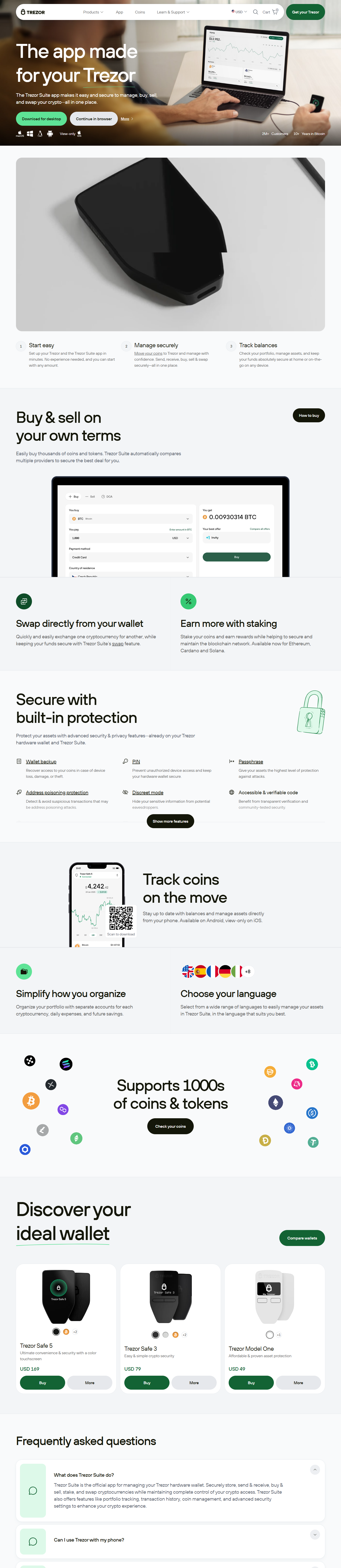
Welcome to Your Secure Device Setup
This demo page provides a clear and user-friendly walkthrough of how a modern onboarding process might look for setting up a hardware security device. While inspired by intuitive layouts from popular crypto-security sites, this version is entirely original and intended purely for educational or design demonstration purposes. No real wallet functions, private keys, or recovery operations occur here. Instead, the focus is on layout structure, good UI/UX principles, and safe instructional language. Below, you'll find an extended, detailed explanation—approximately eight hundred words—describing best practices, device preparation, and general security knowledge. This content is crafted to help readers understand why secure onboarding matters and how to approach such a process responsibly.
Understanding Why Secure Setup Matters
In the modern digital world, more individuals rely on hardware devices to safeguard their information, identity, and digital assets. A secure onboarding process is critical because it acts as the foundation of user safety. If the initial setup is compromised, every later interaction—no matter how secure—could be affected. That's why it's essential to begin with a clear, reliable, and device-verified environment when learning about secure device setup procedures. During this stage, users typically confirm the authenticity of their device, review tamper-resistant packaging, and ensure all connections are direct and trustworthy. This demonstration page replicates the overall structure of such onboarding while avoiding any real credential collection or device pairing functionality.
Preparing for Your Device Setup
Before starting with any hardware security solution, it's ideal to prepare a clean workspace and make sure your computer system is free of unnecessary applications running in the background. Although this page does not process device connections, it illustrates the type of clear guidance a user might expect. For example, users are often instructed to connect their device using a proper cable, install a trusted software interface, and confirm that their system recognizes the device correctly. All of these steps reinforce a smooth and secure start, reducing the risk of interruptions or confusion during the device initialization process.
Principles of Safe Recovery Phrase Handling
One of the most important topics in any hardware security tutorial is the handling of a recovery phrase, often referred to as a seed phrase. In a real environment, users must write this information down physically, keep it offline, and never share it digitally. This demonstration page will never ask for such data, but it explains the principles so designers and developers understand how to guide users responsibly. The onboarding flow for any secure device should emphasize clarity, privacy, and a strong warning system that prevents accidental exposure. It is crucial that users understand the long-term significance of the phrase and why it must never be typed, photographed, uploaded, or stored unencrypted.
Best Practices for a Clean UI/UX Onboarding Flow
A clean interface, like the one displayed on this page, focuses on legibility, spacing, and user confidence. Important actions should be clearly labeled, and primary buttons should stand out without causing distraction. Each instructional step benefits from calm, concise language that reduces stress and minimizes the chance of user error. Security onboarding should never feel rushed or overwhelming. Instead, it should provide a structured narrative that guides the user at a comfortable pace.
Continue Exploring
The layout you are viewing demonstrates a safe, static model of what a professional hardware device startup flow might look like when written in JSX with clean inline styling. Designers can build upon this foundation to prototype tutorials, documentation pages, or user dashboards without needing any external styling frameworks. Everything remains contained within a single file for simplicity, portability, and development flexibility.